Culture Culture 4 min read

How to blend in with the locals

12 American slang words that will make you sound like a local
Image: DJ Johnson

English might be the official language of all Americans, but this doesn’t mean it’s spoken the same everywhere. Across the 50 states and the territories, slang is just another way to express the idiosyncrasies of each region and its unique realities. Check out these slang phrases; they might come in handy in the future.

1
Philadelphia: Jawn
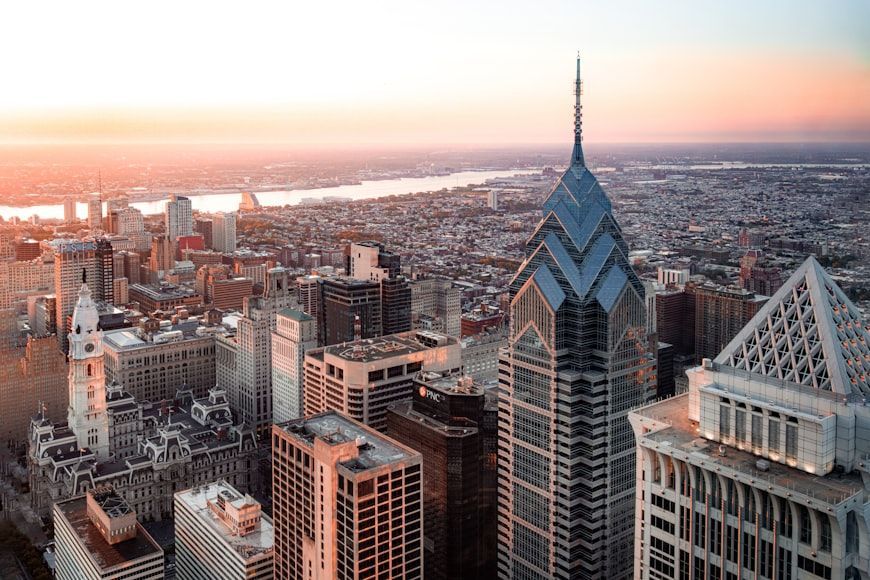
Image: ActionVance

Meaning: used as a placeholder for a noun.

When in Rome, do as the Romans do. When in Philly, be aware that the word jawn can and will be used in every sentence, no matter if the jawn in question is a thing, person, event, or place. If it’s a noun, it can be jawn’ed.

2
New England: Grinder
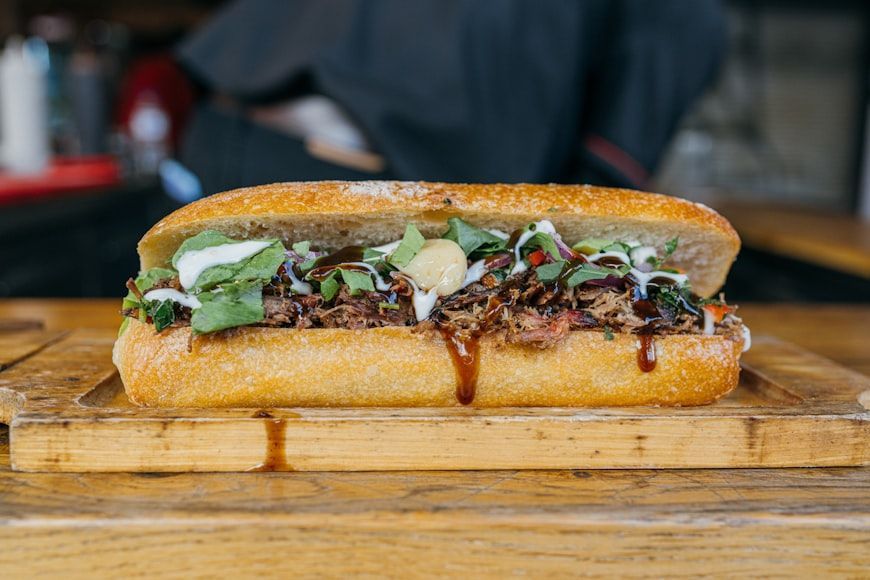
Image: Yoad Shejtman

Meaning: a sub sandwich.

Subs must be one of the most widely known American sandwiches, and rightfully so. Its possibilities when it comes to fillings are seemingly endless, no matter your personal tastes. But you must consider that not every sub is called a sub. If you are passing through New England and fancy a sandwich, looking for a grinder will get you there quicker.

3
Midwest: Schnockered/ Schnookered
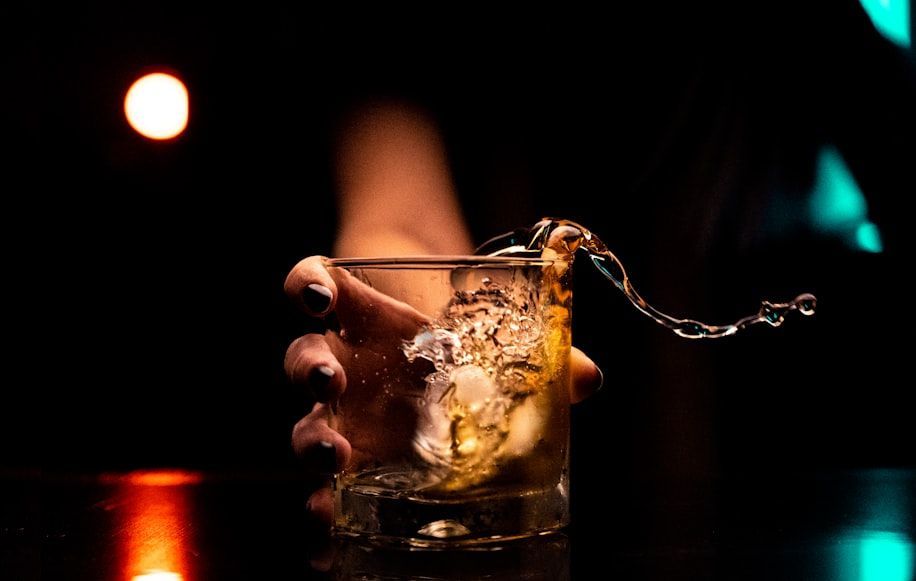
Image: Vinicius amnx Amano

Meaning: Schnockered: wasted/ Schnookered: scammed

Is there a connection between excessive alcohol consumption and being easy to deceive? Midwesterners apparently think so, because they use very similar terms for both situations. We tend to agree; nothing good can come from doing business while under the influence.

4
New York: Schlep
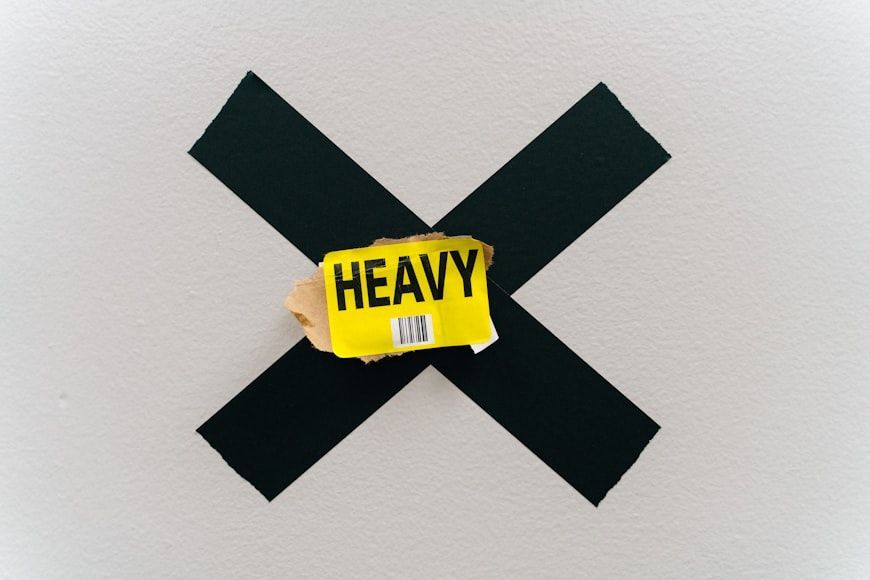
Image: Keagan Henman

Meaning: a difficult task, to carry something with difficulty.

As far as hectic places go, New York seems to be leading the rankings. No wonder they have a dedicated slang repertoire for difficult situations. If you are planning on visiting the Big Apple, take it easy; you will most likely encounter a schlep.

5
Florida: No-see-ums
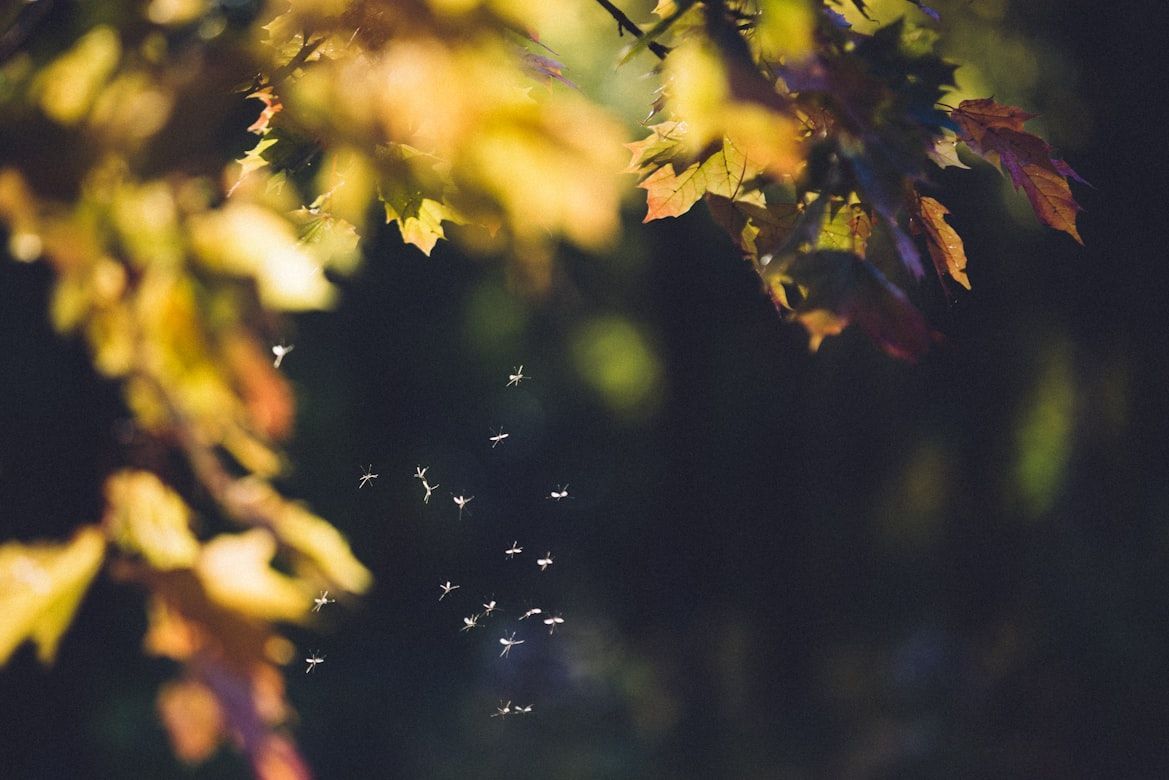
Image: Maxim Mogilevskiy

Meaning: tiny biting midges.

Ah, Florida! The land of cruises, alligators, and invisible attacking bugs. These welcoming critters are known for attacking at dawn and leaving itchy marks that will sting for days. They go by the government name of Ceratopogonidae, but the no-see-ums nickname seems more accurate.

6
Boston: Regular
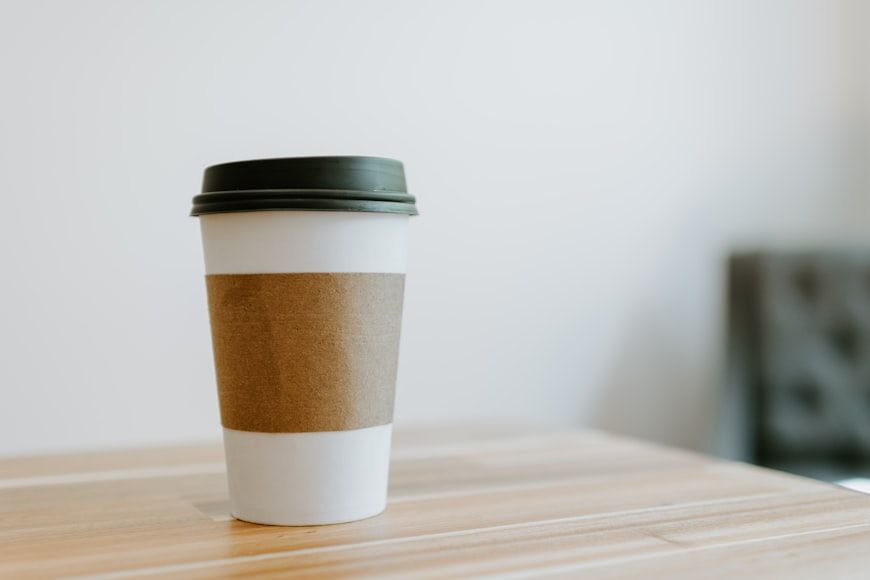
Image: Kelly Sikkema

Meaning: coffee with cream and sugar.

Forget about americanos, lattes, and espressos, a regular is the Boston way to go. Associated with a popular Dunkin’ order, it will come already creamed and sugared. Not advisable for diabetics and lactose intolerants.

7
Puerto Rico: A mi, plín!
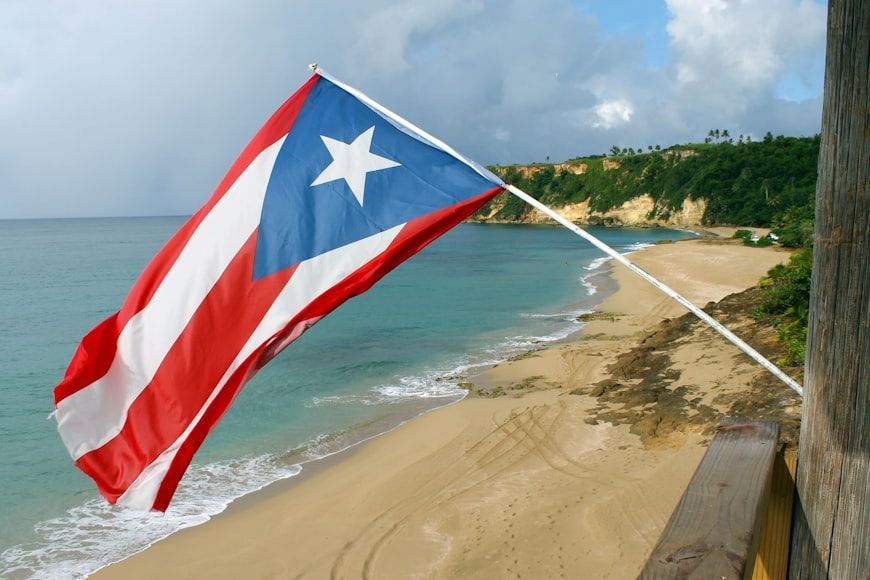
Image: Ana Toledo

Meaning: I don’t care.

Puerto Rican slang can be hard to decipher even if you speak some Spanish, but this makes it even more unique. This phrase —literally translated as ‘to me, plin’— is commonly used to express that something or someone is of no concern to you. What is a ‘plin’? We don’t really know, but to us, plin!

8
Pacific Northwest: The mountain is out
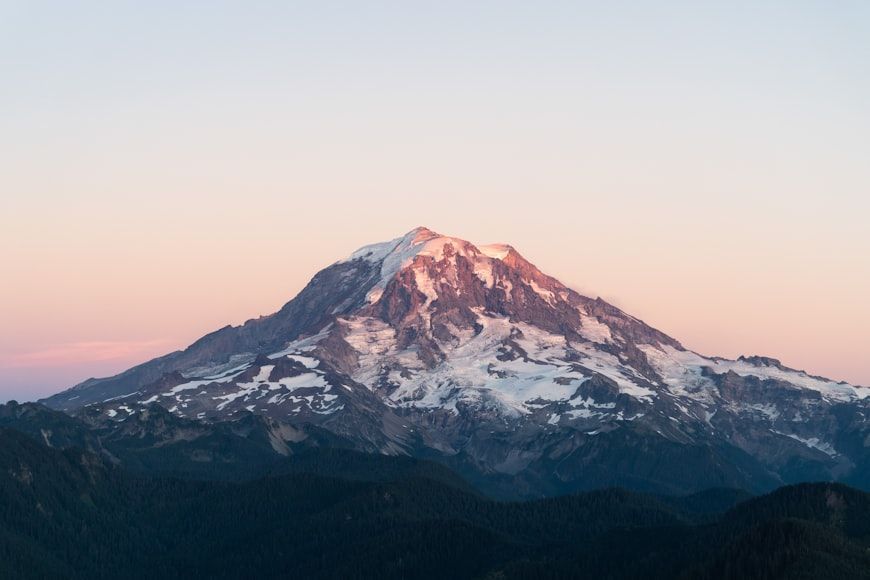
Image: Caleb Riston

Meaning: there is good weather

Mount Rainier is one of the icons of Seattle and the Pacific Northwest, even though the stormy weather can often make it difficult to admire. On the days when the sky is clear and cloudless, this natural wonder "is out" and can be seen in its entirety. For the locals, the mountain being out has become synonymous with lovely weather and sunny skies.

9
Texas: Fixin’ to
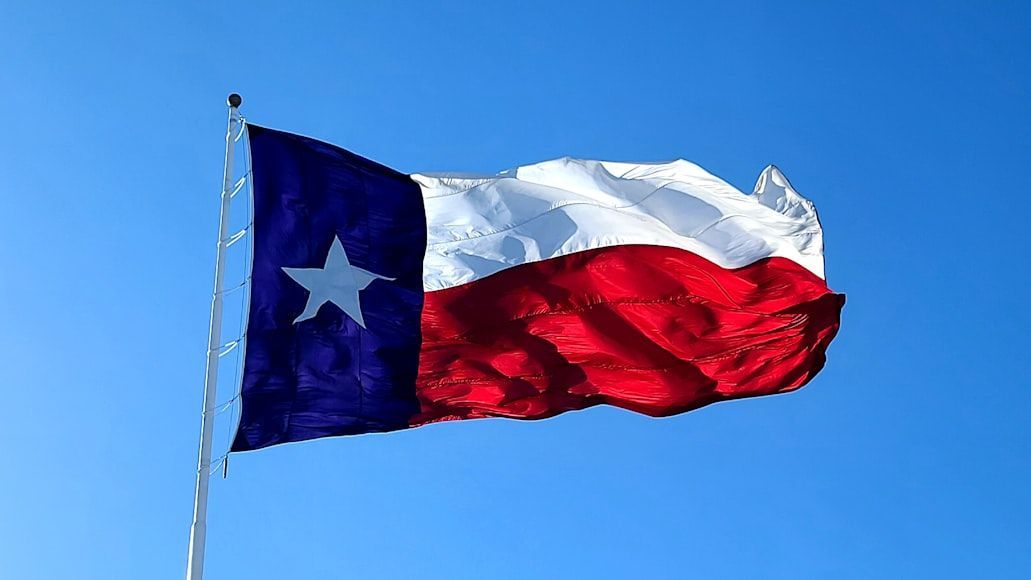
Image: Pete Alexopoulos

Meaning: about to.

We are including this phrase as Texan slang, but you might hear it from Southerners of other states. What do they use it for? Not to talk about repairs, but to say they are about to do something or getting ready for something. Important: do not confuse it with ‘fixins’, a way to refer to side dishes or condiments.

10
Alaska: Sourdough
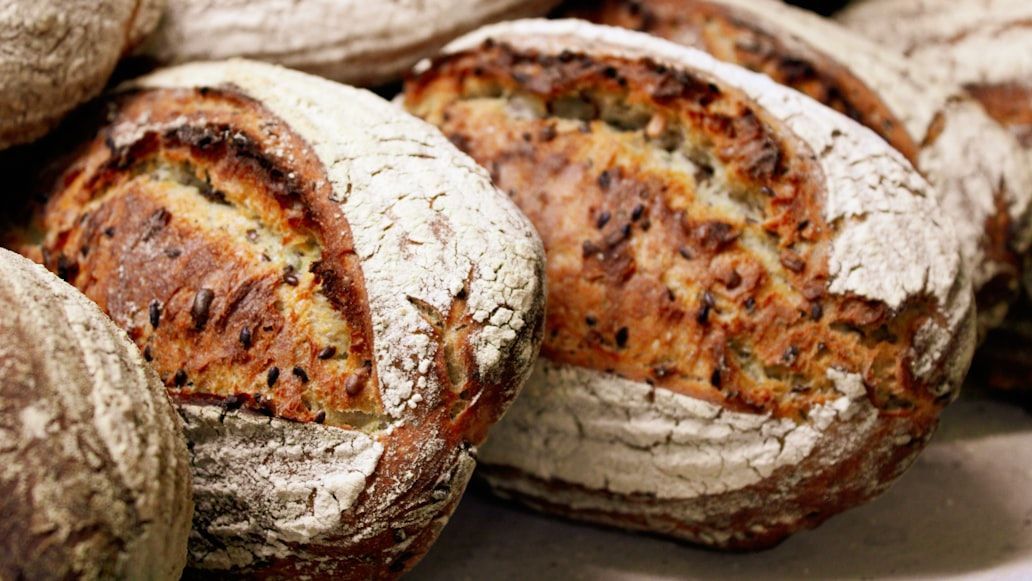
Image: DDP

Meaning: a long-time resident.

Alaska is filled with natural wonders, but it has always been a tough place to live in, especially during the time of the pioneers. These brave people relied on a few food sources, one of them being sourdough starter to make bread and biscuits. In time, seasoned Alaskans came to be referred to as ‘sourdough’, as a way of honoring their resilience and love for the territory. Opposite to a ‘sourdough’, you can find a ‘cheechako’ or newcomer.

11
Utah: RM
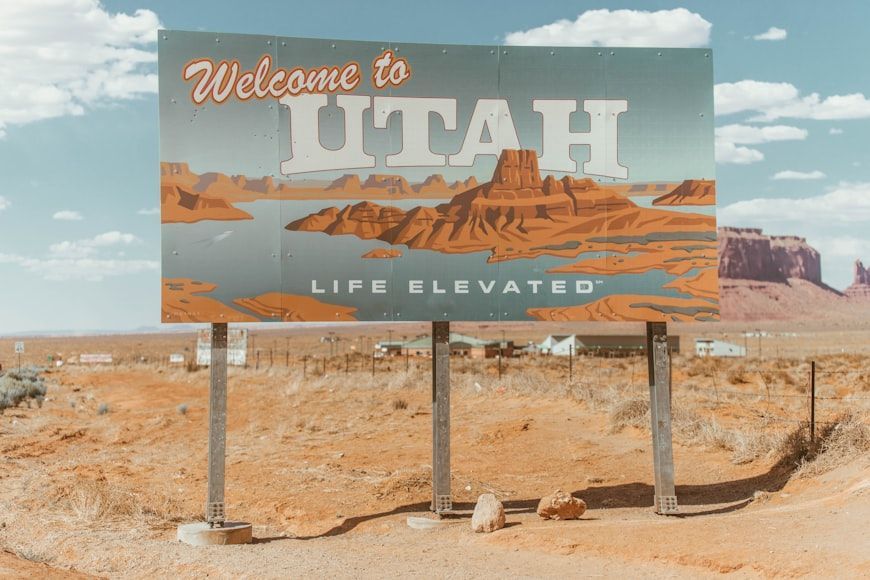
Image: Taylor Brandon

Meaning: someone who returned from their missionary service.

Utah is known for many things, one of them being its high number of Church of Jesus Christ of Latter-day Saints members (commonly known as Mormons). Many members of the Church choose to serve as missionaries, an activity that can take them to a different state or even a different country for up to two years. Once they come back, they might be referred to as RM, or ‘returned missionary’.

12
Hawaii: Da kine
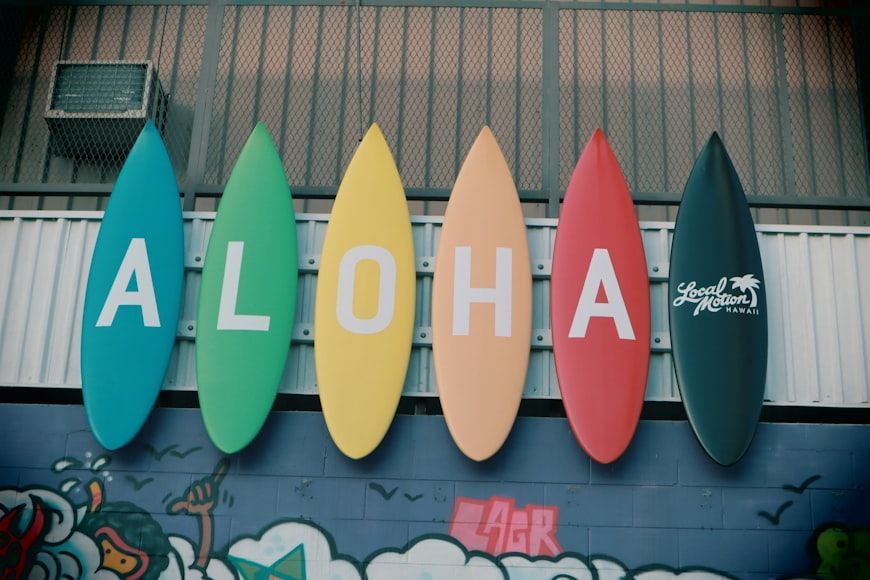
Image: little plant

Meaning: placeholder for something.

If you are in Hawaii, you might notice locals using this phrase to refer to various things, similar to how other English speakers use ‘whatsit’ as a placeholder. A common phrase in Hawaiian Pidgin, ‘da kine’ can be used for objects, people, places, ideas, and much more.

History History 5 min read

FURRY RESIDENTS

Remember These 10 Famous Presidential Pets?

Over the years, the White House has seen many different residents. And among the most peculiar are the presidential pets that have roamed those halls and gardens throughout history. While our presidents have had different exotic animals -such as alligators and bear cubs- it's the more traditional pets that won the hearts of the whole country.

You've probably heard of the famous Fala, Socks, and Checkers, right? These beloved animals are just a few of the 10 most famous presidential pets . Let's take a look at their stories!

1
Fala Roosevelt

Image: Nathália Arantes

A star in his time, the charming dog we knew as Fala was a great companion to Franklin D. Roosevelt during his time in the White House .

The dark-coated Scottish Terrier arrived in 1940 as a gift for Roosevelt and reached his peak of fame thanks to the President's remembered "Fala Speech" from 1944 , in which he jokingly mentioned the dog.

While we all knew him by his nickname, it is said that the pet's full name was actually "Murray the Outlaw of Falahill," in homage to a Scottish ancestor of Roosevelt.

2
Bo and Sunny Obama

Image: Zé Maria

Bo and Sunny , the Obamas' two Portuguese Water Dogs, became famous across the country and even internationally.

Bo came to the White House as a gift from JFK's younger brother , Senator Ted Kennedy, in 2009 . His peculiar name was a decision by Barak's daughters, Malia and Sasha Obama, in honor of Michelle Obama's father. His presence in the media was frequent, and he even had his own web page for fans to dedicate gifts or words of affection to him. Sunny, meanwhile, came into the family 4 years later, in 2013, and became Bo's faithful companion.

And here's a fun fact : The Portuguese Water Dog breed was chosen by the Obama family because its coat is hypoallergenic , which helped prevent the allergies of their eldest daughter, Malia, from being triggered.

3
Socks Clinton

Image: jbc

Choosing a name for your pet is no easy task. But this was not the case for Bill Clinton and his family.

Socks , adopted from a shelter in Little Rock, Arkansas, was easily recognizable by his peculiar appearance. With black fur and white paws , it was almost as if this cat's name was printed on him.

When Clinton came to the White House in 1993 , Socks quickly became a star and even appeared in merchandise and toys with his face on them.

4
Buddy Clinton

Image: Siep van Groningen

But it wasn't all rosy for Socks Clinton.

When Buddy , a beautiful chocolate Labrador Retriever, arrived in the family in December 1997 , Socks didn't receive him in the best way. Let's just say they got along like "cats and dogs." Fortunately, it is said that after a while, they got to know each other and got along much better.

Like his cat brother, Buddy also garnered media attention and became quite famous. As a celebrity, people would often ask for photos with him!

5
Checkers Nixon

Image: Matteo Vistocco

If we discuss true dog celebrities, we can't overlook Checkers , Richard Nixon's iconic Cocker Spaniel.

Joining the family in 1952 , Checkers didn't become a "presidential pet" or reside in the White House. However, his name didn't go unnoticed during Nixon's campaign as the Republican candidate for vice president.

You probably remember the iconic "Checkers Speech" of 1952 , in which Nixon mentioned Checkers in a move that mimicked Roosevelt's "Fala Speech" and ultimately contributed to Nixon's election as Vice President.

6
Liberty Ford

Image: David Moynihan

Liberty , with her playful and friendly personality, was the first Golden Retriever to inhabit the White House.

Liberty came to the Ford family in 1974 when Gerald was already President of the United States. Some stories suggest that Ford had a deep connection with Liberty. It is said that Ford had a special sign that he would use with the dog, particularly when he wanted to end an awkward or heavy conversation. When Liberty received the signal, she would approach and warmly greet the guest.

Some of Liberty's most typical appearances during the Ford administration were her walks along with Susan , the youngest daughter of the Ford family.

7
Pushinka Kennedy

Image: Berkay Gumustekin

Now it's the turn of Pushinka , a dog that wasn't born in America but went on to become a loved presidential pet!

But she was not just any puppy. She was the offspring of Strelka , one of the first dogs to travel into space and return safely aboard Korabl-Sputnik 2 in 1960.

After her space journey, Strelka gave birth to a litter of puppies, including one named Pushinka . In 1961 , Pushinka was gifted to John F. Kennedy by Soviet Premier Nikita Khrushchev. Pushinka lived happily in the White House during JFK's presidency, and she even had offspring in the halls of the Executive Mansion! What an extraordinary life for a pup, right?

8
Macaroni Kennedy

Image: Zosia Szopka

But Pushinka was not the only pet in the Kennedy White House. Among the animals in the presidential family was Macaroni , a pony gifted to Caroline , daughter of President John F. Kennedy.

Isn't it true that almost every girl dreams of having a pony? Vice President Lyndon B. Johnson and his wife, Lady Bird Johnson, made Caroline's dream come true by giving her this cute gift in 1962 .

Of course, it quickly became the little girl's favorite and was often photographed with her. Macaroni was quite a celebrity at the time, and even made the cover of Life magazine in 1963!

9
Millie Bush

Image: Rafaëlla Waasdorp

Even though the 90s might feel like they were just yesterday, it's been quite a while since then, and some unforgettable events took place during that decade.

For example, a presidential pet "wrote" a book . That's right! Millie's Book , published in 1990 , was ghostwritten by Barbara Bush's chief of staff and tells the life in the White House from the dog’s perspective. But Millie was not only a bestselling author , she was also an honorary member of the American Kennel Club!

Millie, an English Springer Spaniel , joined the family of Barbara and George H. W. Bush in 1985 as a gift from friends. She remained with Bush until 1997, and even after her passing, some of her puppies continued to be part of the family.

10
Barney Bush

Image: paje victoria

Shortly after George W. Bush was elected President of the United States in 2000 , a cute Scottish Terrier named Barney came into his life.

With his playful personality, Barney stole everyone's attention during his time in the White House. He was also the star of the "Barney Cam" videos during the holiday season, in which the little dog was seen roaming around the White House and playing with family and staff members, always wearing his distinctive blue, red, and white patriotic collar . Do you remember him?

Geography Geography 4 min read

Go with the flow

10 great rivers that carved American history

Image: Jp Valery

From tales of hidden treasure to the birth of major cities, America’s rivers are much more than waterways—they’re living history. These 10 rivers have shaped culture, commerce, and legend across the nation, carrying stories as deep as their currents.

1
Mississippi River

Image: Justin Wilkens

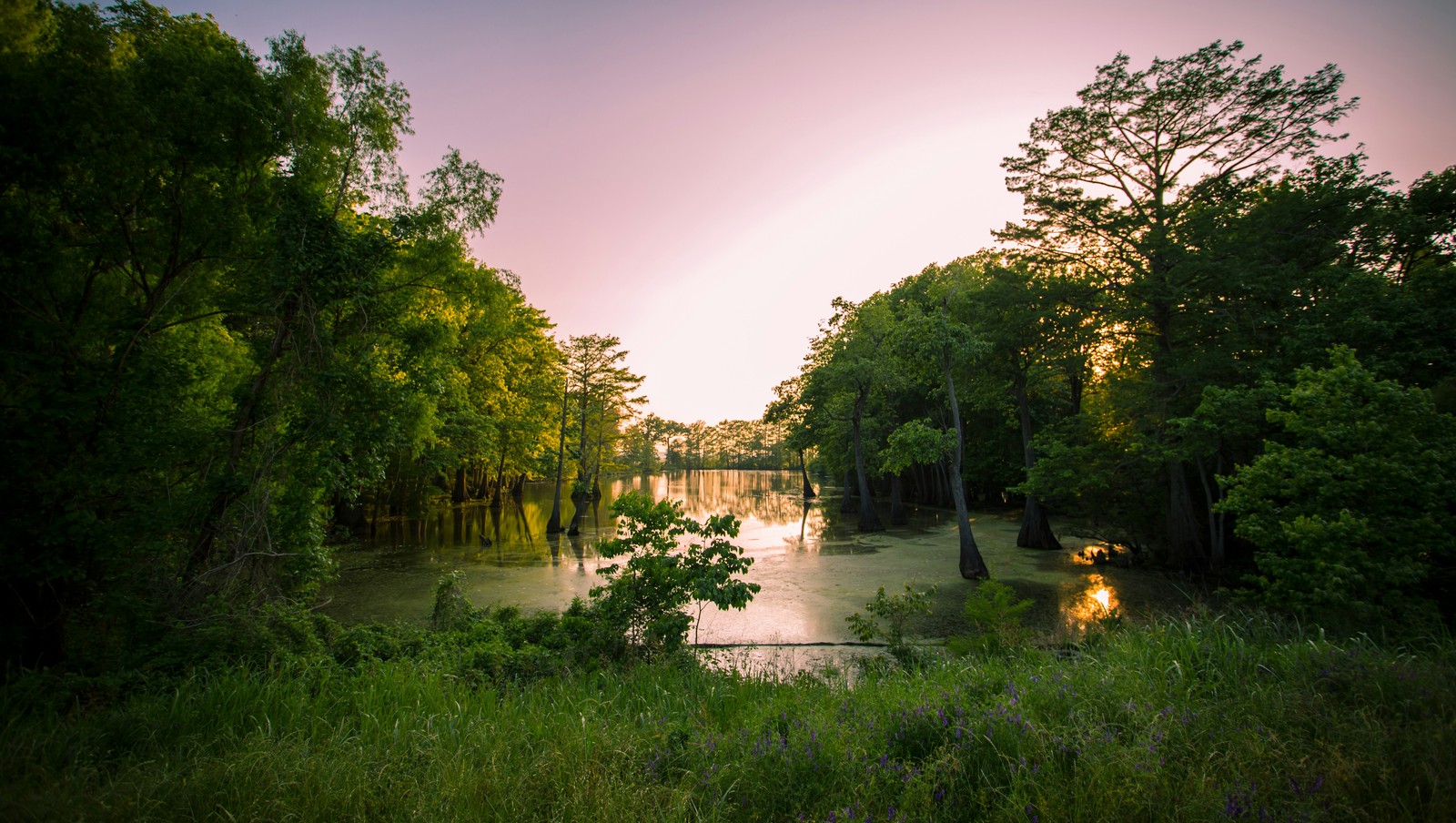
Beloved by blues musicians and immortalized by Mark Twain, the Mississippi has been central to exploration, trade, and American identity. The name comes from the Ojibwe/Anishinaabe word misi‑ziibi, meaning "Great River" or "Father of Waters."

Flowing some 2,320 miles, its watershed drains roughly 41% of the continental U.S., and its vast system remains critical for both commerce and agriculture.

2
Missouri River

Image: Jayden Herr

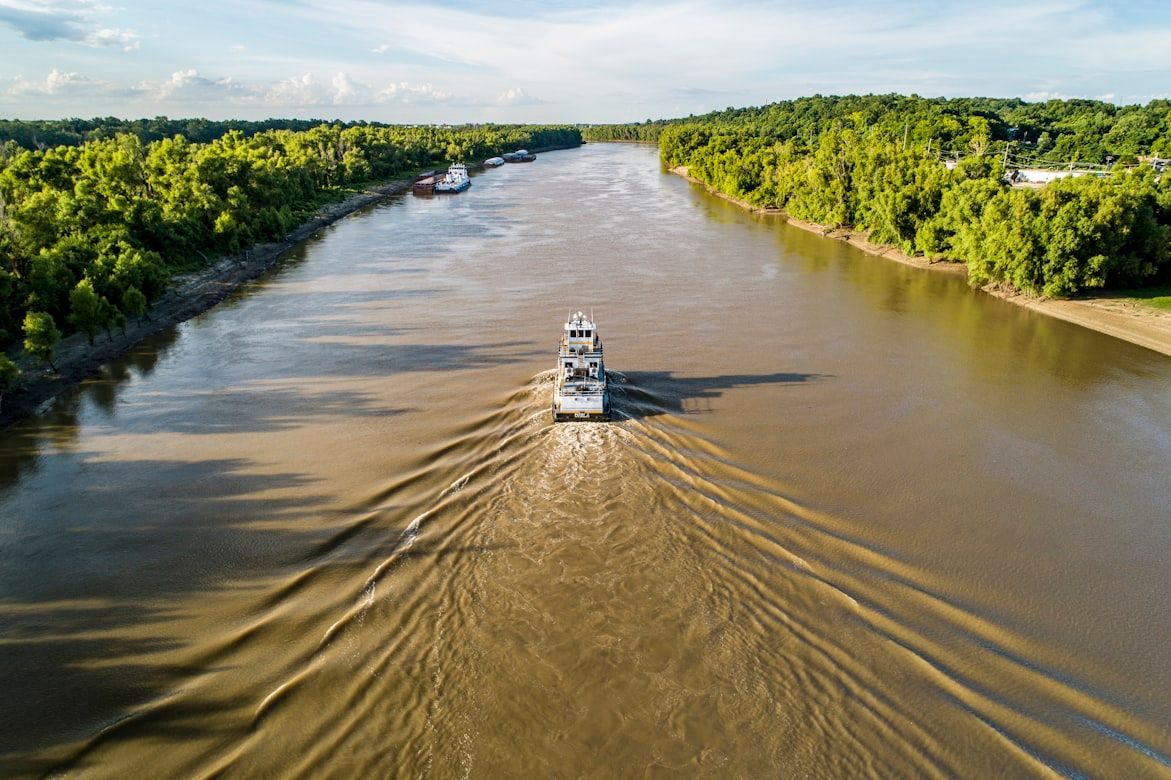
The name of the Missouri River comes from the Algonquian term ouemessourita, meaning "people with dugout canoes."

A crucial highway for early explorers like Lewis and Clark, as well as later settlers, this 2,300-mile-long river was once home to Native tribes such as the Missouria. Today, it remains a vital part of regional agriculture and river transport.

3
Hudson River

Image: Harry Gillen

Originally called Muh-he-kun-ne-tuk ("waters that are never still") by the Mohicans, the river was later renamed after Henry Hudson, who explored it in 1609 for the Dutch East India Company.

The Hudson Valley later grew into both an economic and cultural hub, inspiring the Hudson River School of painters and playing a strategic role during the American Revolution.

4
Colorado River

Image: Mike Newbry

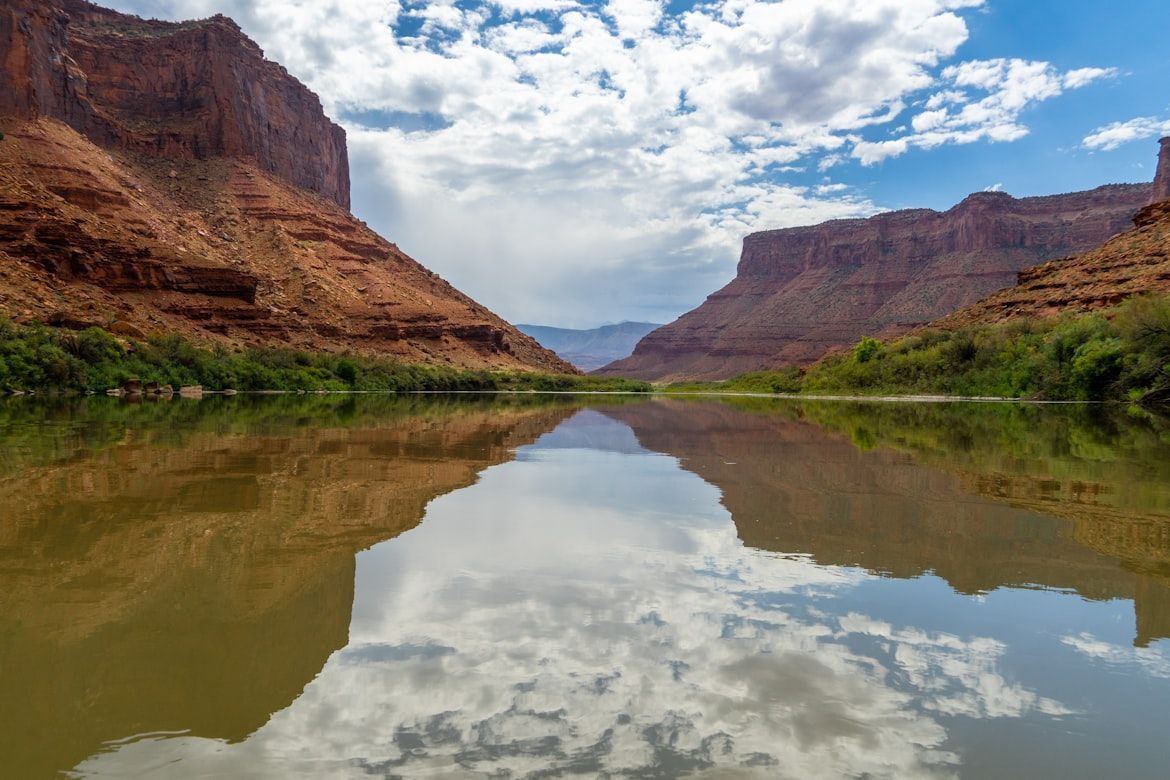
The name Colorado comes from Spanish, meaning "reddish," a reference to the red silt once carried by the river. Before 1921, its upper course was known as the Grand River, until Congress renamed it to reflect the state of Colorado.

Over millions of years, the Colorado River carved the Grand Canyon, one of the world’s most dramatic natural landscapes. Today, it supports irrigation across seven U.S. states and northern Mexico and generates hydroelectric power through major dams such as Hoover Dam and Glen Canyon Dam.

5
Rio Grande

Image: Sara Cottle

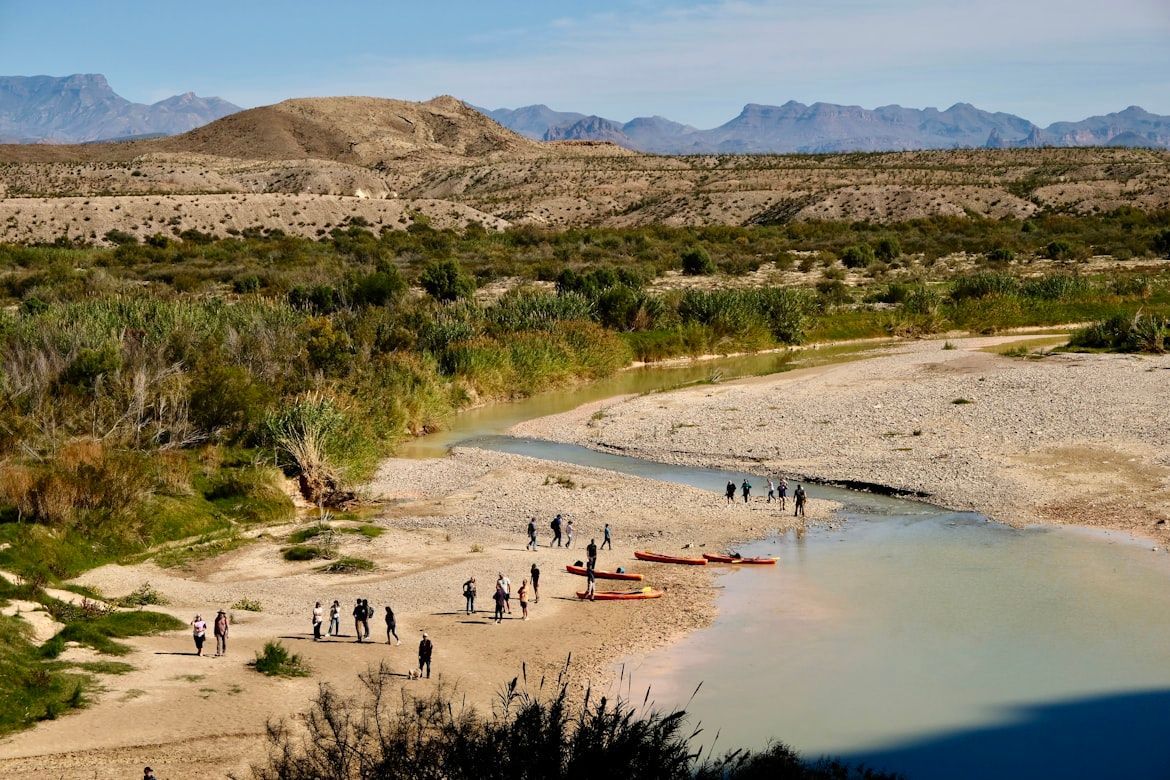
The name Rio Grande means "Big River" in Spanish. Serving as the border between the U.S. (Texas) and Mexico, it has defined geopolitical boundaries since the end of the Mexican-American War in 1848.

Historically, the Rio Grande supported Indigenous communities such as the Pueblo and Apache peoples, and later Spanish missions and settlements. Today, it serves as a lifeline for agriculture, cities, and wildlife habitats across the arid regions of Texas, New Mexico, and northern Mexico along its 1,896-mile course.

6
Ohio River

Image: Joshua Canter

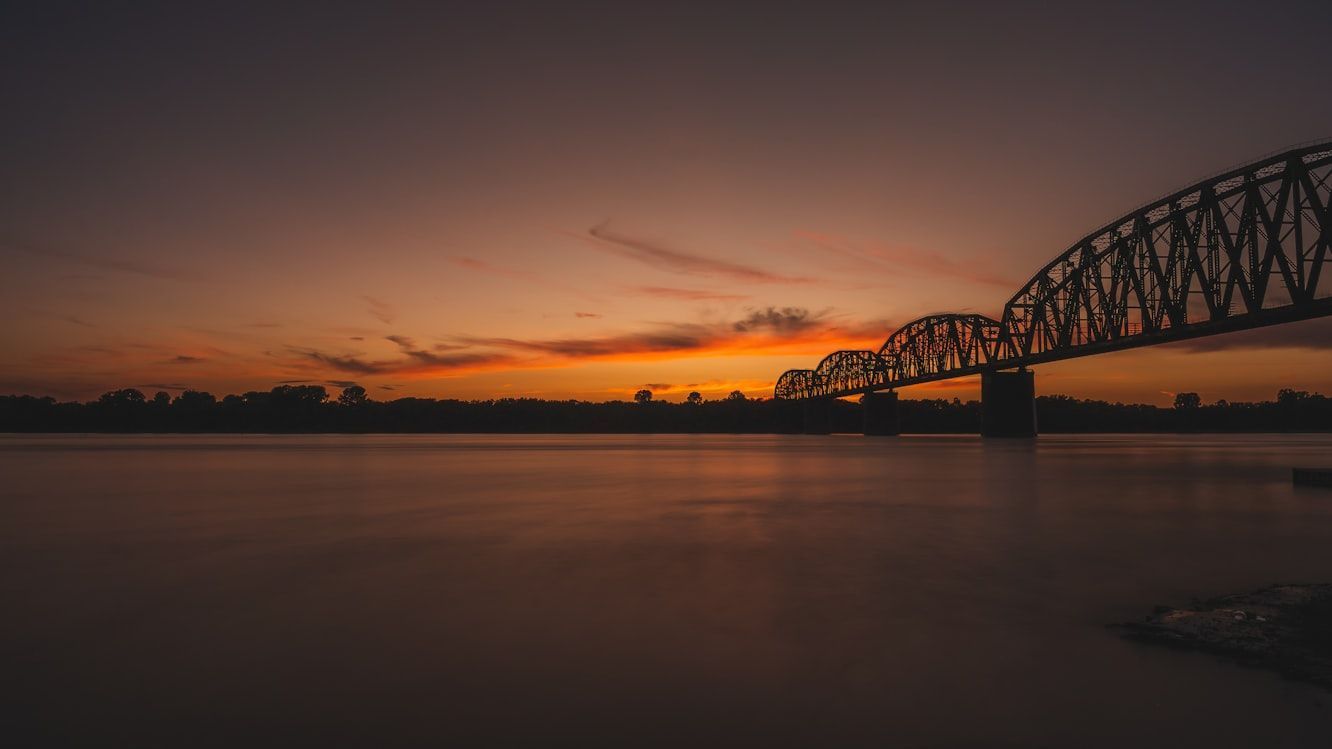
"Ohio" comes from the Seneca word ohi:yo’ , meaning "good river" or "large creek." Formed by the confluence of the Allegheny and Monongahela Rivers at Pittsburgh, it flows for about 981 miles through six states before joining the Mississippi River.

In early America, the Ohio was a key route for westward expansion and trade. Settlements along its banks grew into important commercial and industrial centers, including cities like Cincinnati, Louisville, and Pittsburgh, and its fertile floodplains supported agriculture that fueled the growing nation.

7
Columbia River

Image: Stephen Walker

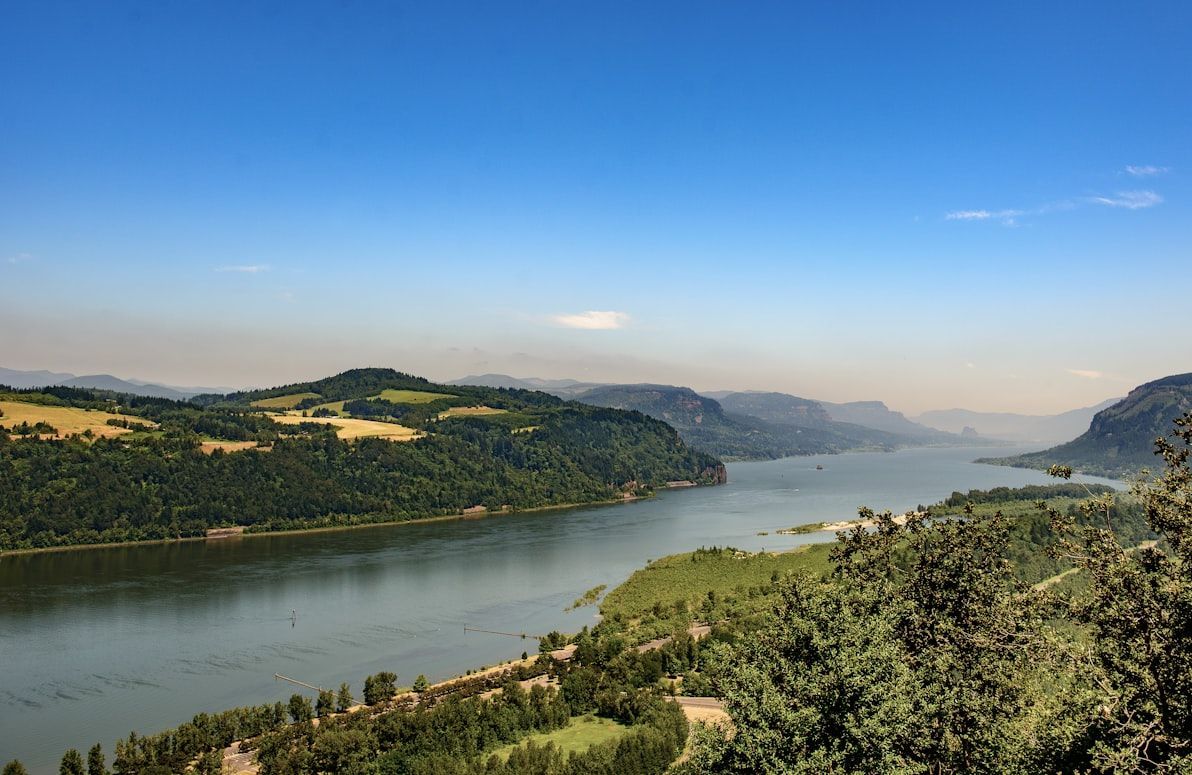
The Columbia River was named after the Columbia Rediviva , the ship captained by Robert Gray , which itself was named in honor of Christopher Columbus. For thousands of years, the river served as a vital trade network for numerous Native American tribes, and later became central to the North American fur trade.

Its fertile valleys supported settlements and agricultural development throughout the Pacific Northwest. Today, the Columbia is a major source of hydroelectric power, with major dams such as Grand Coulee and Bonneville supplying electricity to millions of people.

8
Potomac River

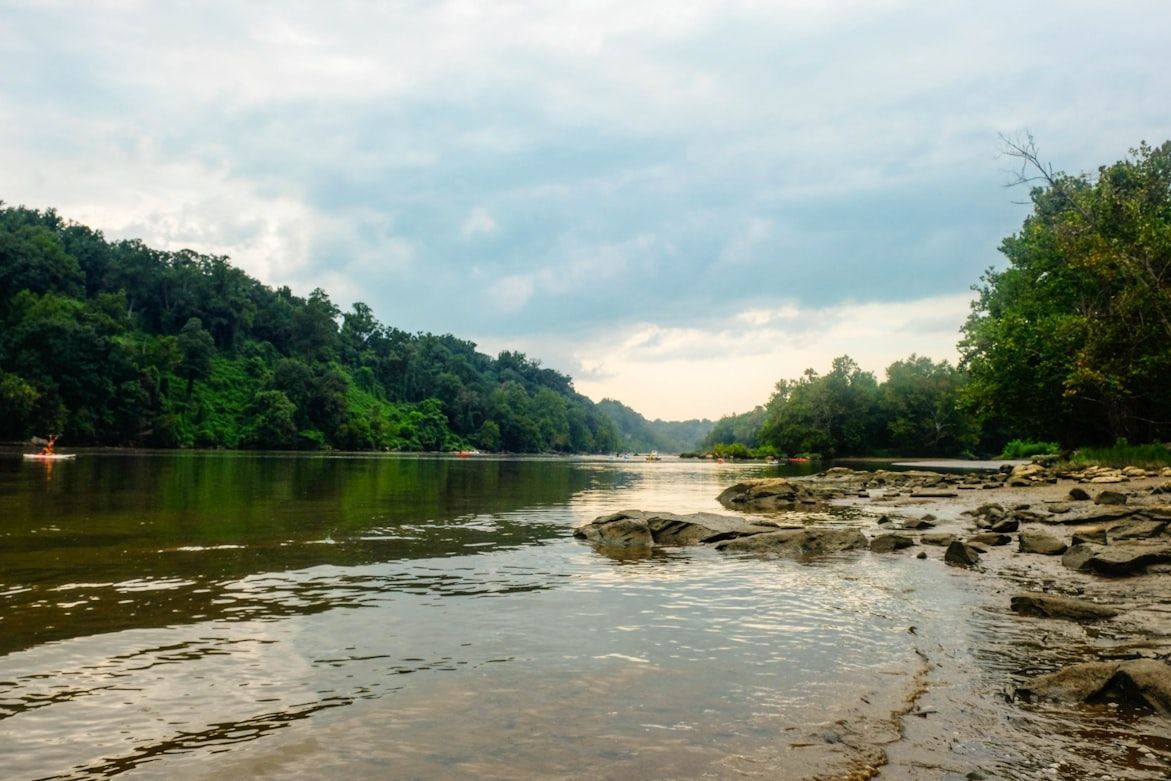
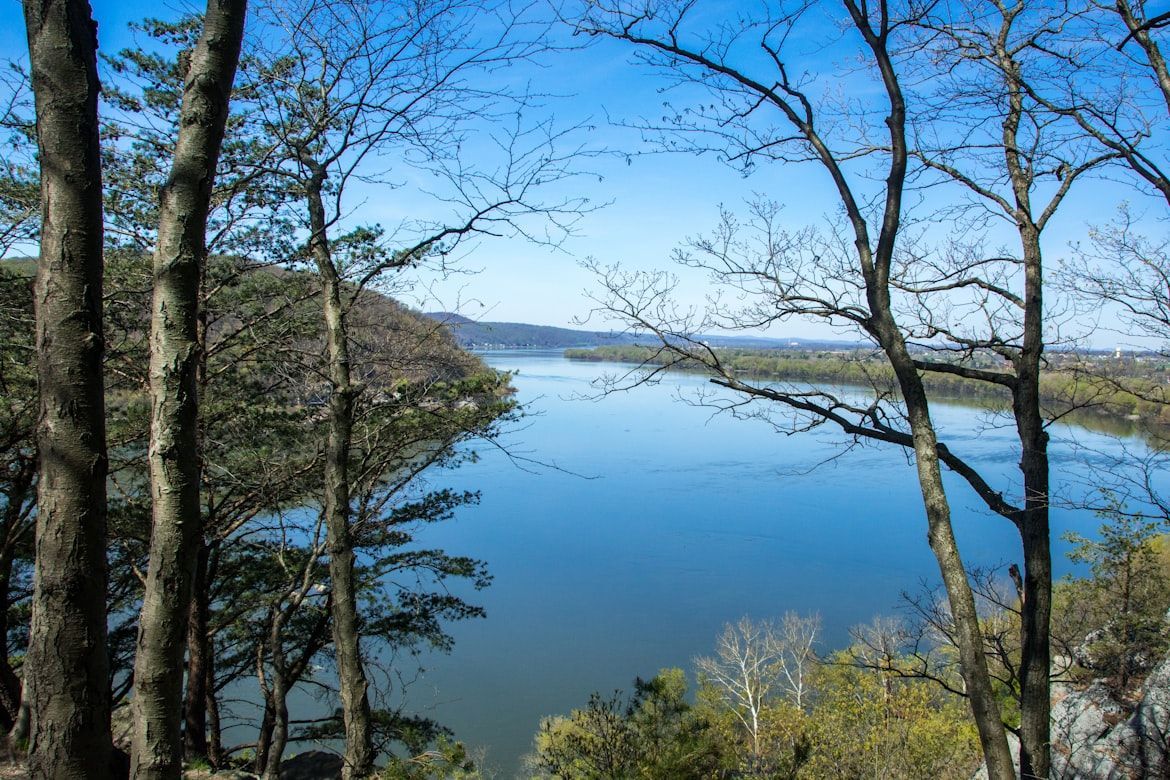
Image: Sara Cottle

The name "Potomac" comes from a Native Algonquian word, likely Patawomeck (probably Piscataway), meaning "river of swans." The river flows past Washington, D.C., and George Washington’s Mount Vernon estate overlooks it.

During the colonial era and the Civil War, it was a crucial transport route, and its watershed continues to hold historical, cultural, and political significance today.

9
Delaware River

Image: Clay Banks

Named after Lord De La Warr (Thomas West), an English nobleman and colonial governor, the Delaware River is best known for George Washington’s daring 1776 crossing, which surprised Hessian troops in Trenton and provided a crucial morale boost for the Continental Army during the Revolutionary War.

Over the years, the river has remained vital for trade and industry, shaping the mid-Atlantic economy and supporting major ports in New Jersey, Pennsylvania, and Delaware.

10
Susquehanna River

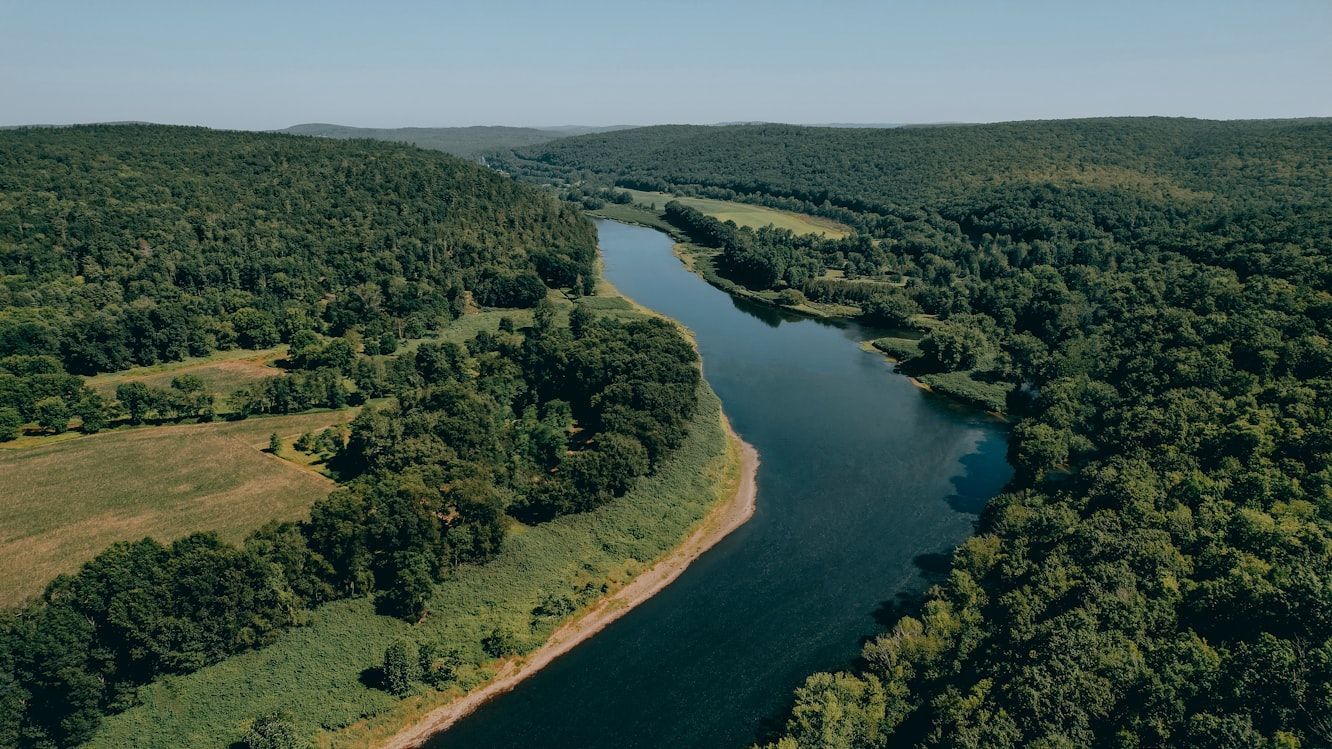
Image: Jennifer Wick

The name "Susquehanna" likely comes from the Lenape word siskëwahane, meaning "Muddy River" (though other translations, such as "Oyster River," have been proposed). One of the oldest river systems in North America, the Susquehanna stretches about 444 miles from New York through Pennsylvania to the Chesapeake Bay in Maryland.

It supported Indigenous communities such as the Susquehannock, and early colonial settlements relied on it for transport, fishing, and trade. Its fertile valley later powered mills, contributed to the region’s coal and lumber industries, and played a key role in shaping the development of the Mid-Atlantic.

Explore more American facts

Choose your favorite category!

General
General

As American as apple pie—the very best America has to offer!

Culture
Culture

Delve into the astounding richness of American lore.

Geography
Geography

Hop in and explore vast and diverse American landscapes.

History
History

Discover the key moments that shaped the United States.